Why higher interest rates alone won't fix Australia's sticky inflation problem
Australia's underlying inflation at 3.5-3.6% is driven by supply shortages, housing, energy and labour, which interest rate rises cannot fix directly.
Australia's underlying inflation has stayed stubbornly at 3.5-3.6%, higher than the US, UK and Canada at 2-2.5%, forcing the RBA to raise rates five times this year versus just one increase each in the US and UK.
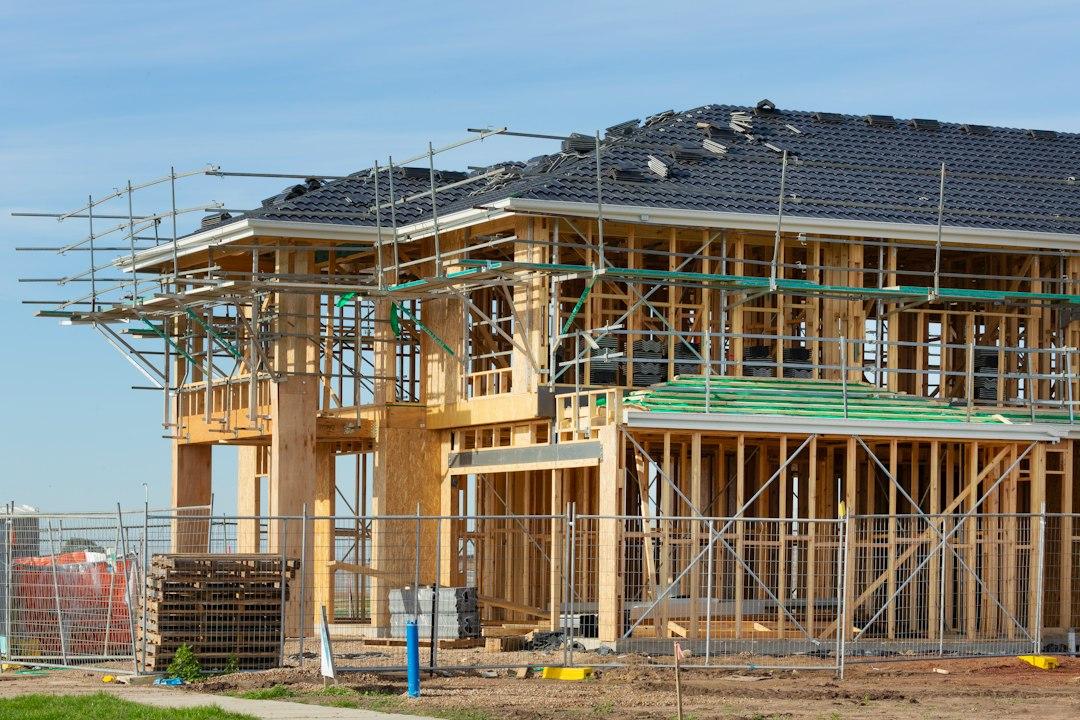
The RBA's main tool, the cash rate, works best when inflation comes from too much spending, not from shortages. Australia faces a housing shortage pushing up rents, expensive energy following Middle East conflict, labour shortages driving up wages, and surging data centre investment competing for scarce construction workers.
Raising rates slows spending but cannot build more homes, generate more electricity or train more workers. The International Monetary Fund warns that raising rates too much during supply-driven inflation can trigger unemployment and recession without controlling prices.
- 3.5-3.6%
- Australia's underlying inflation
- 2-2.5%
- US and UK underlying inflation
- 5 times
- RBA rate rises this year
- 1 each
- US and UK rate rises in past two years
Why it mattersIf interest rates alone cannot solve the inflation problem, then the RBA is being forced to cause economic pain with diminishing returns, and government must tackle supply instead.
AustraliaAustralian households on variable mortgages are paying more when the real solution may require government investment in housing, energy and workforce, not RBA rate rises alone.
✓ Claims checked against the source. checked 3 h ago