How robots learn to read the room
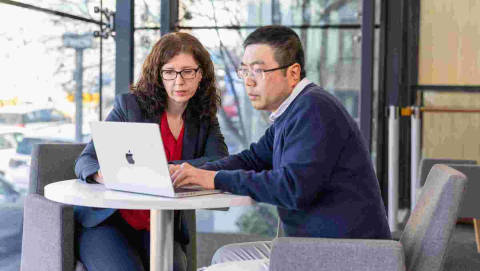
Nipuni Wijesinghe is building a system to help robots understand social settings and change the way they act.
Today's robots act the same everywhere. They use the same voice and volume.
Their movements are the same in a library or a lecture hall. A human naturally speaks quietly in a library.
They speak louder during a speech. Wijesinghe is a PhD researcher at University of Canberra.
She is working to close this gap. Her framework would let robots read their surroundings.
They could adjust like humans do. This matters most in critical settings.
A surgical robot that blindly follows instructions may keep handing the same tool. Surgery can take an unexpected turn.
A robot that understands its setting would notice the change. Her work earned her $2000 as runner-up in a research pitch competition.
The framework could eventually apply to healthcare robots, aged-care machines, classroom assistants and workplace robots.
- Nipuni Wijesinghe
- Researcher
- University of Canberra
- Institution
- $2000
- Prize money
Why it mattersRobots moving into hospitals, schools and homes need to adapt to their setting. A rigid robot in surgery could harm rather than help.
AustraliaThis Australian research could shape how robots behave safely in Australian hospitals, aged-care facilities and classrooms within the next five to ten years.
✓ Claims checked against the source. checked 3 d ago