Victoria's $161 billion debt looks worse than it is before election
Victoria's net debt of $161 billion is offset by assets worth $465 billion against liabilities of $268 billion.
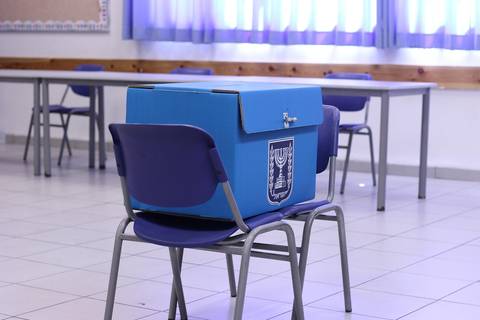
Victorians vote on November 28, and Labor's record on state finances is a central election issue. The state's $161 billion net debt is often painted as the worst in Australia, but the full picture is different.
Victoria's assets of $465 billion far exceed its total liabilities of $268 billion, a healthy ratio for running a state. Most of the debt funded infrastructure for a fast-growing population and supported Victorians through the COVID recession.
Over the past three years, the state returned to operating surplus, a key measure of financial health. Other states' debt is growing faster.
Queensland's net debt is forecast to grow 193 per cent over four years, Tasmania 34 per cent, and South Australia 69 per cent. Victoria's is set to grow 24 per cent, similar to more than New South Wales.
Rising interest rates are making debt more expensive to service, and some pandemic spending included waste.
- $161 billion
- Net debt 2025-26
- $465 billion
- State assets
- 6.9% to 9.4%
- Debt servicing cost projection
- November 28
- Election date
Why it mattersVoters deciding whether Victoria's debt signals poor management or sound investment in infrastructure and recession support matters to the election outcome.
AustraliaVictoria's state election November 28 will shape tax and spending policy, infrastructure investment, and services for the state's residents.
✓ Claims checked against the source and corrected before publish. checked 3 h ago
Open this story in InSnip →